
[published in the Annual Report 2023 commemorating PBI Guatemalas 40 anniversary]
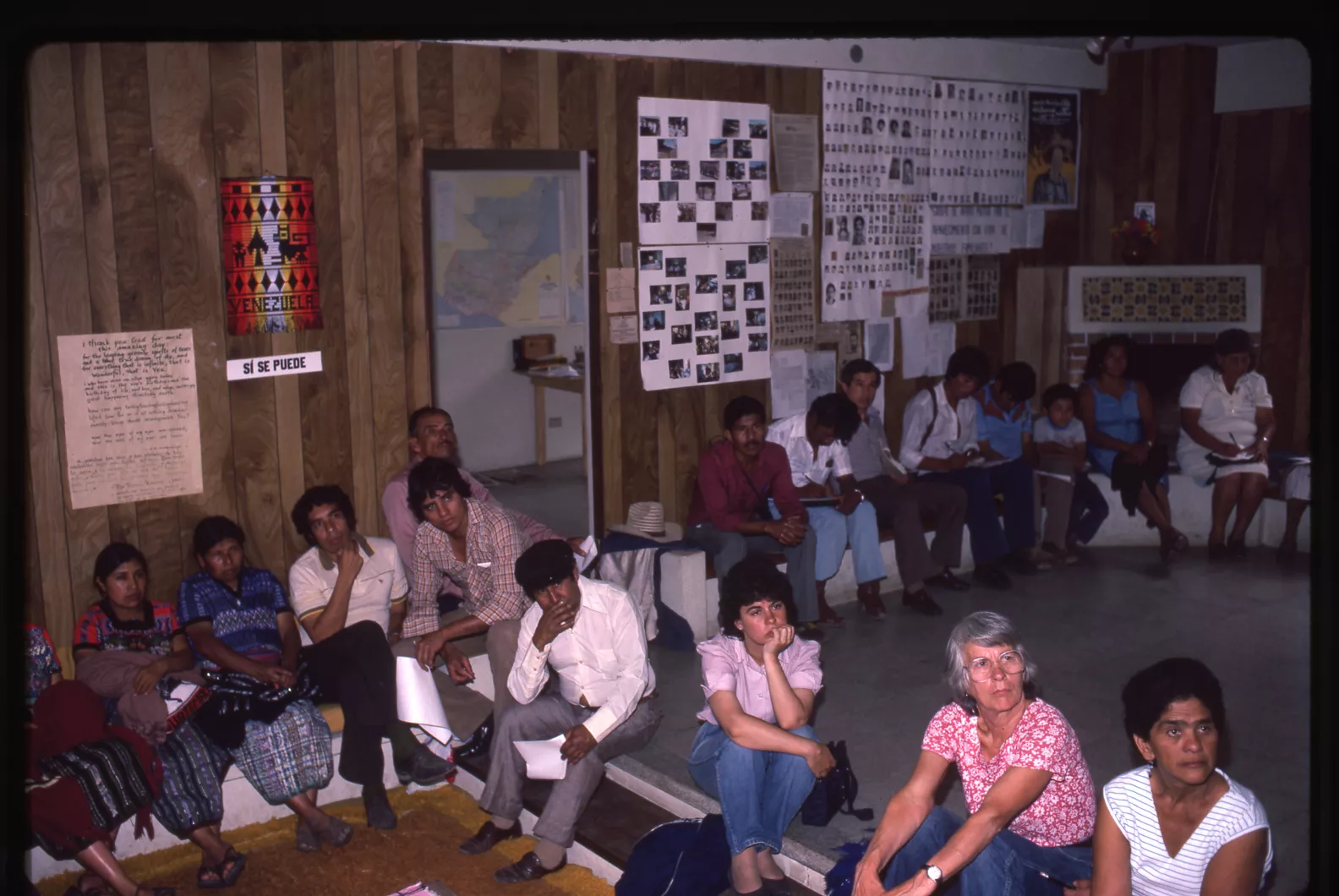
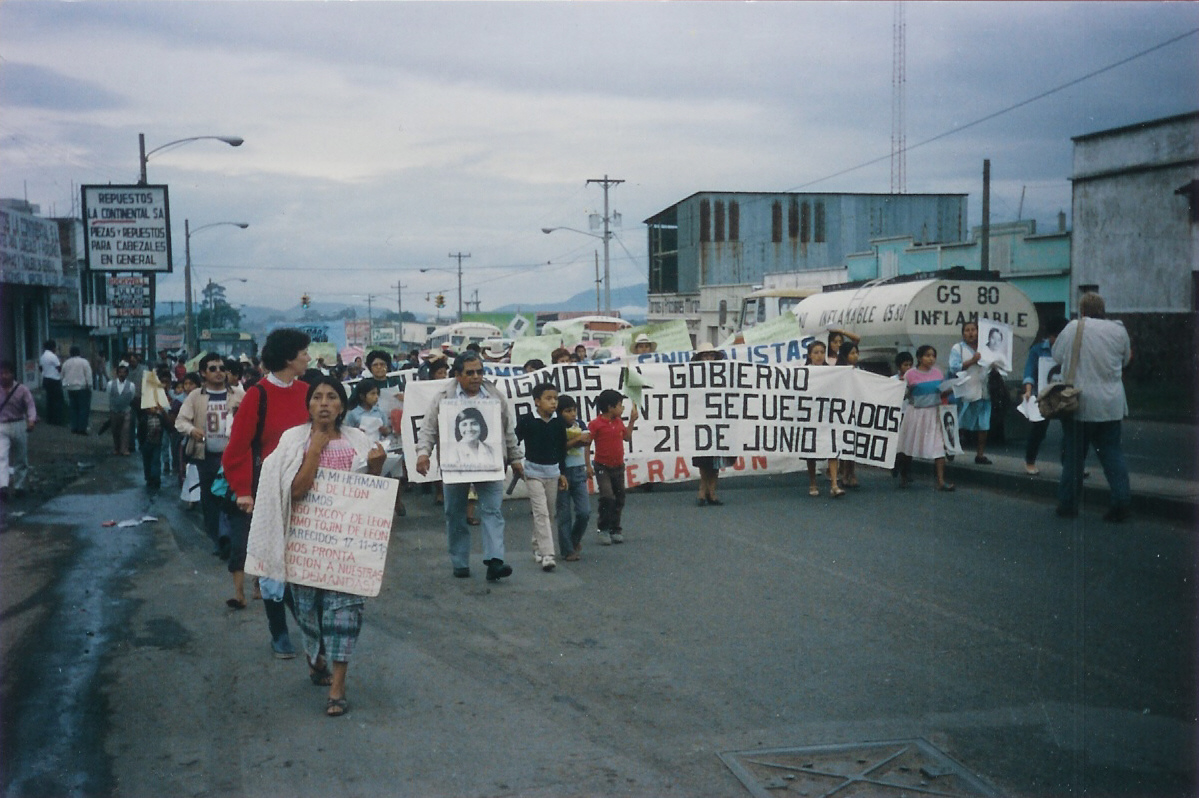
The family of Luz Leticia Hernández Agustín first visited the Peace Brigades International (PBI) house, then located in Zone 11 of Guatemala City, in 1984. The family were members of the Mutual Support Group (GAM), an organization that had begun meeting weekly at PBI’s house. GAM was founded by relatives of missing persons who have carried out a ceaseless search for their relatives. They began by visiting every conceivable place where their loved ones might be: universities, hospitals, health centers, police stations, morgues, prisons… They approached state officials in order to find out the whereabouts of the disappeared, despite the risks that these actions implied under the military dictatorship and generalized terror. However, they encountered only rejection, mockery and lies. The disappeared people were students, teachers, trade unionists and nuns, among others, who had fought against the continuous dictatorships and for social improvements for the Guatemalan people. GAM became the families’ way of organizing joint search actions, sharing their painful stories, consoling and supporting each other. This is how Luz Leticia’s family, her mother Valentina Agustín, her father Jorge Hernández and her sisters Flori, Marta and Mirtala, came into contact with PBI and received accompaniment in their arduous search.
The Beginnings of Peace Brigades International (PBI)
In September 1981, a group of international activists came together to create a movement for peace, solidarity and nonviolent action. Inspired by movements such as those led by Gandhi in India and the civil rights movement in the United States, PBI set out to support the peaceful transformation of societies in conflict, through dialogue and the progressive realization of human rights. Considering the armed conflicts that were taking place at that time in several Central American countries, the founding members decided to install a first team of brigadistas in the region.
At that time, many of the massacres that were being perpetrated in rural Guatemala constituted acts of genocide that would be prosecuted decades later. In March 1982, a group of military officers staged a coup d’état and Efraín Ríos Montt became president. He announced a “democratic opening”, with the idea of counteracting the country’s bad reputation due to the multiple human rights violations that were being denounced internationally. Ríos Montt, however, only exacerbated the “scorched earth” policy initiated by the previous military government. Nevertheless, PBI took advantage of the dictator’s initial opening speech to send brigadistas to the country to carry out international observation work.
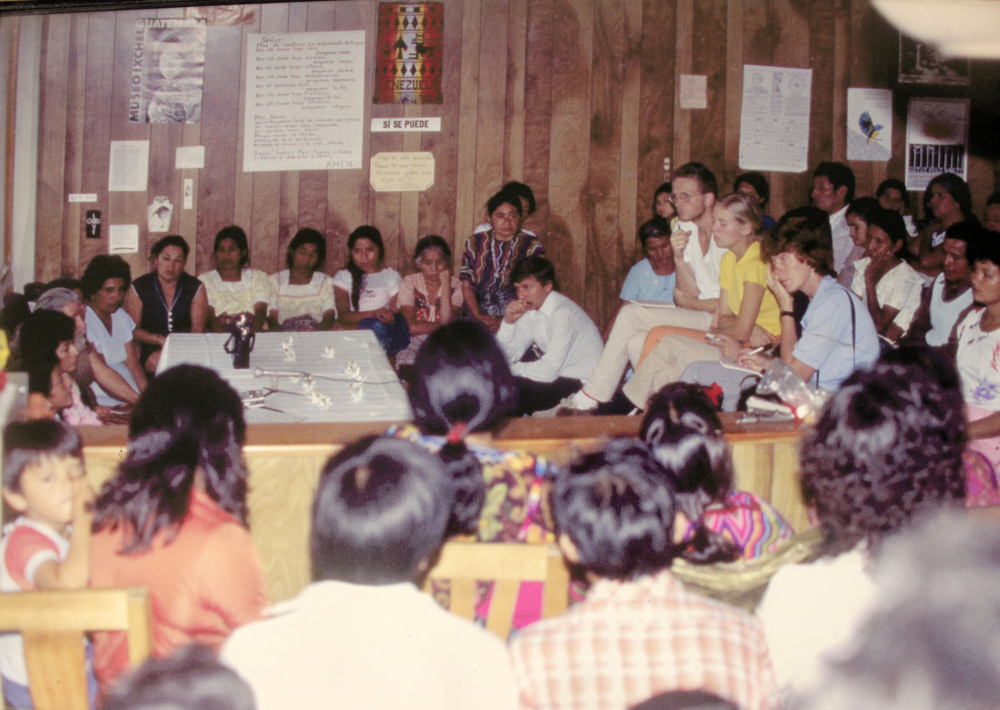
The first brigadistas were Hazel, Aurelio, Pablo and Edith. Their work consisted of surveying the needs of Guatemalan activists and collectives, as well as the possible impacts of the international presence. To do this, they began by establishing contacts that would provide them with information for carrying out this work. In March 1984, Nineth Montenegro, one of the founders of GAM who was searching for her disappeared husband, approached PBI. PBI reflected on how they could best support GAM with due regard for all the limitations, particularly their position as foreigners. One of these strategies they decided on was to offer their home as a safe space for the families of the disappeared persons to have weekly meetings on Saturdays. Since almost nothing was known in the outside world about what was happening in Guatemala, PBI became a channel of information, alerting the international community to threats and other violations against the civilian population, especially organized civilians.
Our Accompaniment Model is Born
Physical accompaniment, i.e., being physically present at the side of people under threat, was sparked by tragic circumstances. Around Easter Week 1985, the bodies of two key members of GAM, Héctor Gómez Calito and María del Rosario Godoy de Cuevas, were found lifeless and exhibiting signs of torture. Along with María del Rosario, they also found the tortured bodies of her brother Maynor René, 21 years old, and her son Augusto Rafael, two years old. This tragedy sparked the idea that having a foreigner physically close to the people experiencing threats could lower the risk of experiencing aggressions, due to the political cost that these could entail. The international pressure increased following these terrible assassinations and this strategy of accompaniment was seen to work. Thus, the GAM leaders were the first to be physically accompanied by PBI. In this way, our model of international accompaniment was created as an effective instrument for the protection of human rights.
Nevertheless, physical accompaniment was not enough. This work needed to be accompanied by complementary actions such as meetings with Guatemalan authorities. The objective was to let them know first-hand about PBI’s work and to make sure that the Guatemala authorities were aware of the presence of internationals who were observing the security situation of the people and organizations they were accompanying. This was yet another strategy to dissuade possible attacks, both against the people we accompanied and the brigadistas themselves. In addition, we began to establish and maintain contacts with actors such as embassies, churches and other social organizations who could provide support in situations of need. Finally, we began to work on disseminating information about the human rights situation outside of Guatemala.
One area of work that was pursued during the first years was capacity building through the facilitation of workshops requested by the organizations that came into contact with PBI. The topics were varied and included: mediation and conflict resolution; group dynamics; peace education; non-violent action; negotiation techniques; methodologies for situational analysis; constitutional rights; etc. Mental health workshops were also given to returnee communities by the physician, psychologist and health promoter Carlos Beristain, who now has extensive experience in psychosocial support for victims and survivors and as an advisor to several truth commissions in different countries.
Organizations and collectives accompanied by the first PBI project in Guatemala
Throughout the 16 years of the first PBI project in Guatemala (1983-1999), in addition to accompanying GAM, other organizations were accompanied, including:1
- The Ethnic Council “Runujel Junam” (CERJ) in Quiché, who resisted the forced recruitment of the Civil Self-Defense Patrols (PACs).
- The Committee for Peasant Unity (CUC).
- The National Coordinator of Widows of Guatemala (CONAVIGUA), formed by widows and relatives of disappeared persons in different departments of the Altiplano.
- The Association of Relatives of the Detained and Disappeared of Guatemala (FAMDEGUA), created after a split from GAM.
- Students of the San Carlos University of Guatemala (USAC).
- Unions such as the Union of Guatemalan Workers (UNISITRAGUA), the Union of Union and Popular Action (UASP), the Federation of Food and Related Workers (FESTRAS), the Union of Administrative and Education Service Workers of Guatemala (STAYSEG), etc.
- Delegations of the Communities of Population in Resistance (CPR) of the Sierra, Ixcán and El Petén, during their activities, their public pronouncements following their coming out to the public and in their new settlements.
- The National Council of Displaced Persons of Guatemala (CONDEG) and the returnees from Mexico.
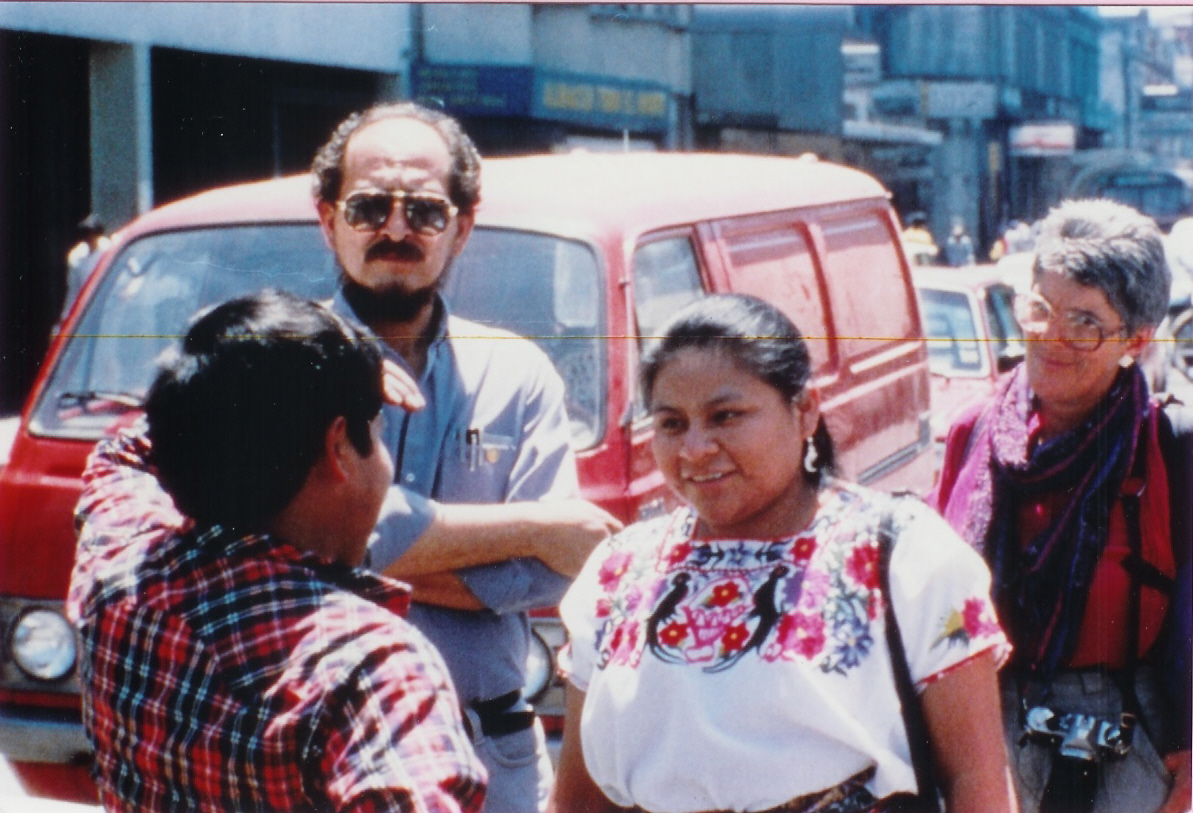
In addition, during the peace negotiations, we accompanied representatives in exile, such as Nobel Peace Prize winner Rigoberta Menchú and members of the Guatemalan Human Rights Commission (CDHG). We also accompanied the American Jennifer Harbury, widow of the detained-disappeared commander Efraín Bámaca Velásquez, during her visits to Guatemala. And we cannot fail to mention the close relationship that PBI maintained during those years with the Pastoral Social and ODHAG.
Events that remain in our memories
In the course of PBI’s 40 years in Guatemala, we have accompanied the country’s historical events as well as those that have marked the memory of the communities directly affected and our own memories. Below we recall some of these events.
At the beginning of December 1990 we accompanied members of CERJ and GAM on their verification and support trips to the community of Santiago Atitlán, which in the early morning of December 2 experienced a massacre perpetrated by the army that left 13 people dead and 24 wounded. The social pressure from the community itself and from the popular movement and unions throughout the country, was so great that in the days following this crime the military personnel responsible were assigned to the military courts and the military detachment was withdrawn from the community. According to the human rights ombudsman of the time, Ramiro de León Carpio, it was the first time that the civilian power was able to influence the actions of the military.
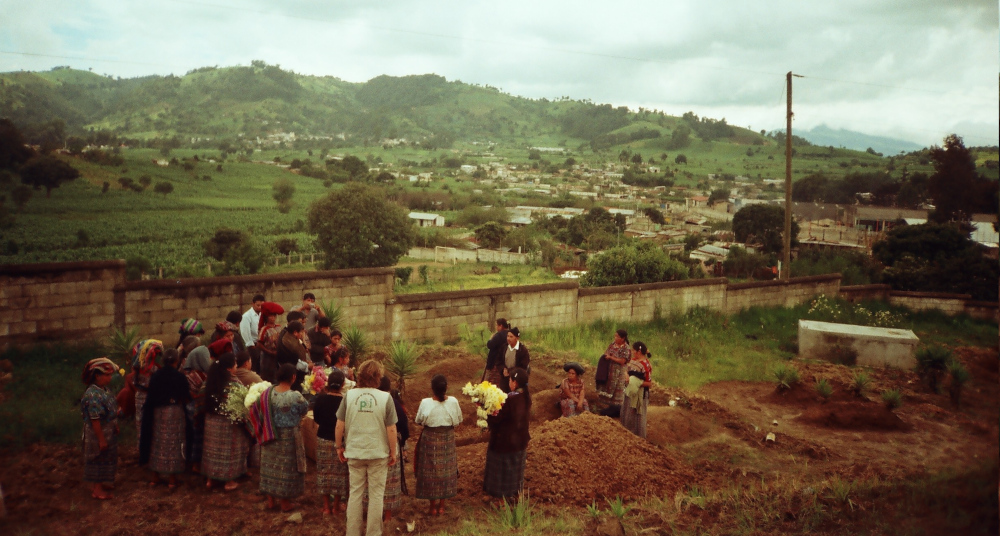
PBI, alongside other individuals and national and international organizations, began accompanying the Permanent Commissions of Representatives for Guatemalan Refugees (CCPP) from 1993 onwards, during the process of return of the population who, during the most difficult years of the IAC, were forced to take refuge in Mexico. We also accompanied the CPRs to their assigned settlement sites after they declared their existence. This was a very intense emotional process, during which the returnees returned to their villages, or to new places where they settled, where they received the care and welcome of their compatriots.
The massacre of the returnee community La Aurora 8 de Octubre, in the Xamán estate, Alta Verapaz, on October 5, 1995, was another act of violence which had a significant impact, because it occurred under the eyes of the international community. While the community was preparing to celebrate its first anniversary of return, a military patrol appeared without warning and killed 11 people, leaving more than 30 wounded by bullets. “The victims of the repression of the 1980s, of the scorched earth strategy, survivors of the Ixcán massacres, relive the horror that made them flee their country. They continue to fight for the hope that made them return to their Guatemalan land a year ago,” says a PBI Bulletin from November of that year. PBI accompanied the survivors of the massacre during their recovery in the hospital and throughout their search for justice and reparations. One of the volunteers who was part of the team at the time, and who accompanied the victims in the hospital, later made a documentary about the massacre.
One volunteer recalls: “, I had many reflections on the current work of Peace Brigades International and accompanying people in the hospital [visiting people injured in the Xamán massacre] gave me the opportunity to think about what ‘accompaniment’ really means during that time. Before coming to Guatemala, I didn’t know how to explain to my friends in Canada what we were doing here. It’s quite simple to define “accompaniment” if it only relates to avoiding violence towards the people we are with. Now, however, I relate it to being present with the people, listening to their stories and, as much as possible, sharing a bit of their pain. I think we are very lucky to be able to listen and sometimes give emotional support to people who have felt that no one, in this big world, listens to them outside of their communities. At the same time, I have seen how people do speak up, cry out and demand that someone listen to them, even without our accompaniment. Therefore, I am grateful for the reminder that we are not indispensable, that the struggle for peace and the end of repression and massacres like the one in Xamán, depends on the Guatemalan people. And we are here to accompany them on their way…”
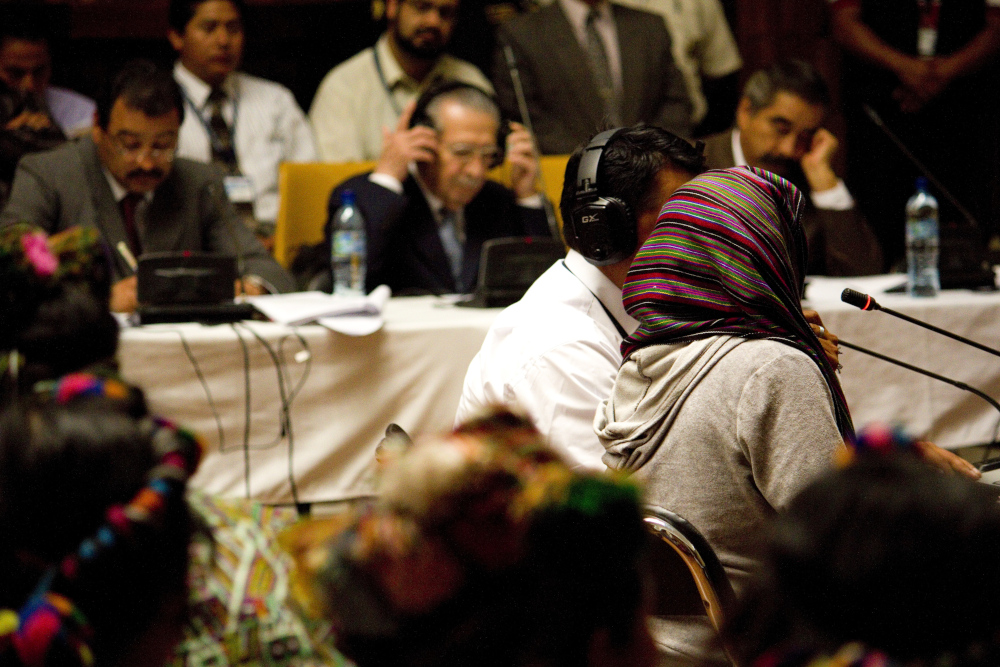
As for PBI Guatemala’s second project, which began in 2003, the most notable event was undoubtedly the trial and sentencing of José Efraín Ríos Montt, for the genocide of the Ixil people committed during the de facto government. At that time (2013) PBI accompanied the BDH and its director Edgar Pérez Archila, who was a lawyer for the Association for Justice and Reconciliation (AJR), a plaintiff in the case. This trial is a universal historical landmark, as it was the first time that a national court tried a genocide in its own country. It demonstrated the possibility that powers previously considered untouchable could be tried for their crimes, all thanks to the perseverance and conviction of the IAC victims’ and survivors’ organizations. The sentence was forceful in affirming that genocide had been committed in Guatemala and on May 10, 2013, the First Court A of Highest Risk sentenced retired General J. E. Ríos Montt to 80 years in prison for genocide and crimes against humanity. After 10 days, however, and following significant pressure from the country’s powerful economic sector, the Constitutional Court (CC) ordered a retrial, basing its decision on procedural errors. The retrial also concluded that genocide had occurred in Guatemala, but the dictator Ríos Montt died a few months before this second sentence was handed down.
Temporary closure of PBI’s project in Guatemala
During PBI’s first term in Guatemala (1983-1999), the organizations and individuals who most frequently approached us to request our accompaniment were those whose struggles and risks related to the major crimes committed during the IAC: forced disappearances, assassinations, massacres and displacements due to the violence of the military State. This is unsurprising, considering that the country had been mired by a bloody armed conflict for more than three decades. The signing of the Peace Accords in December 1996 made room for hope. The massive violations of human rights committed by state forces were significantly reduced and tools were created so that social, indigenous and peasant organizations could demand the fulfillment of their rights. In this new situation, the number of requests for accompaniment dropped considerably.
On the other hand, the workshops offered by PBI, especially on Education for Peace, began to be given by local organizations who had knowledge of these issues. And regarding international awareness of the situation in Guatemala, new channels of communication had been opened by national and international organizations, so that there was a considerable increase in the information available outside the country.
These factors, and an evaluation shared with Guatemalan organizations, led PBI to close the project in 1999.
This closure proved temporary, however, as the human rights situation in the country experienced significant deterioration over a short period of time. With the signing of the Peace Accords the internal context had improved in principle, but this peace agreement occurred within an international context of the capitalist globalization that emerged after the end of the Cold War. The prevailing neoliberal agenda exacerbated the privatization of services, the liberalization of markets, the signing of free trade agreements and the exploitation of natural resources. All this caused a sharp deterioration of the already difficult living conditions of the Guatemalan population. Within this new context, the organizations, collectives and communities came up against a State with little will to comply with the commitments undertaken during the signing of the Peace Accords nor with international human rights treaties. There was little significant change in the structure of Guatemala’s economic and political actors whose grip on power continued to mark the country’s evolution. SSocial conflicts flared up again, especially those related to land tenure and land rights, which were ignored in breach of the Agreement on Socio-economic Aspects and the Agrarian Situation. There was also a lack of recognition of indigenous peoples’ territories - as stated in the Agreement on Identity and Rights of Indigenous Peoples - which were handed over with impunity to the benefit of the extractive industries.
Faced with this new deterioration of the human rights situation, which became more evident with the Guatemalan Republican Front’s (FRG) arrival to power in 2000, PBI received requests from various organizations to return to the country. An exploratory visit to Guatemala was organized in 2001 and, based on the subsequent report, a new PBI project was opened in the country in April 2003.
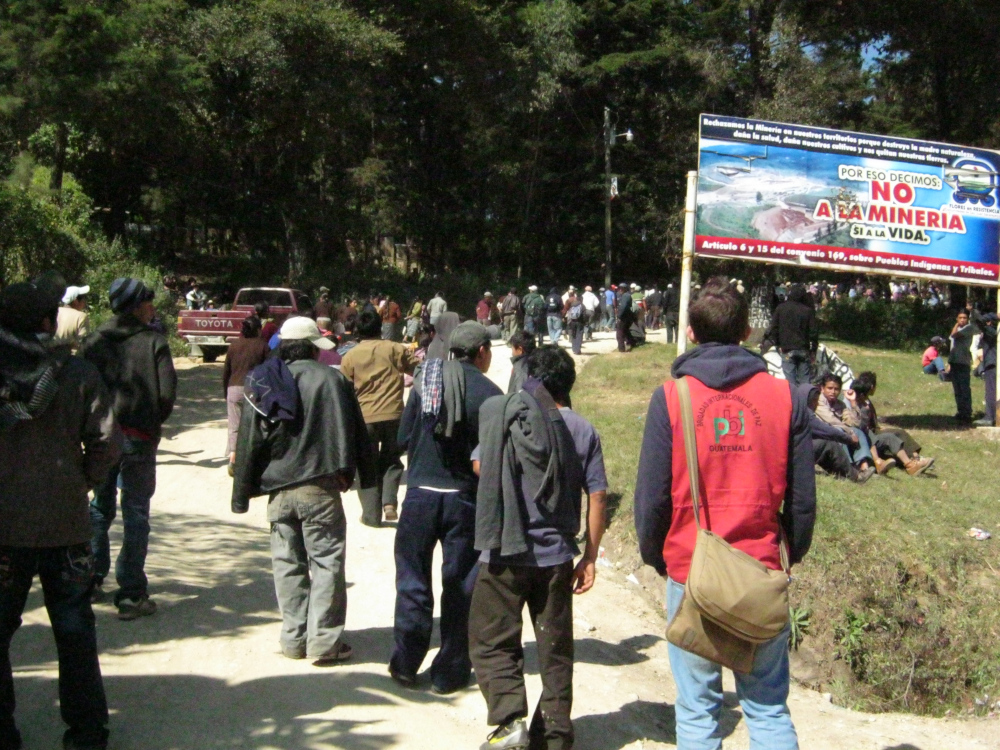
From the failure to implement the Peace Accords mentioned above, two new thematic focuses of accompaniment were derived. On the one hand, the struggle for access to land and labour rights for work carried out for centuries on land appropriated by powerful landowners during the Spanish crown and after the liberal reform of 1871. These lands included the semi-slave labour of the so-called ‘mozos colonos’, who in exchange for living on these lands worked for the ‘patrón’ without any rights or recognition. As a result, PBI received requests for accompaniment from peasant organisations, some of which we continue to accompany today, as the problem of land tenure remains unresolved. On the other hand, the opening of the Guatemalan economy to extractive industries brought new challenges. These activities have particularly affected the indigenous population, who have been forced to defend their territories against the enormous economic and political powers that promote these activities, as the impacts of these extractive projects have disastrous consequences for the entire environment of the affected communities: forests, rivers, water sources, mountains, sacred places, the environment, the health of the population, the social fabric of the communities, etc. Defense of the territory is therefore the other thematic focus on which we are beginning to receive requests for support. In fact, the majority of the requests fall within this axis.
And in the approach to the fight against impunity, the situation also demanded our accompaniment once again. Since this reopening, the situation in Guatemala has continued to decline. The reform of the judicial system was very slow and largely dependent on the presence and technical support from the International Commission against Impunity in Guatemala (CICIG), active from 2007 to 2019. However, when the investigations of the Public Prosecutor’s Office (MP), strengthened by CICIG, began to implicate powerful economic and political actors, the reaction resulted in the expulsion of CICIG and a swift and progressive anti-democratic regression. This translated into a culture of persecution, where the co-opted justice system was used to criminalize people who opposed the corrupt circles of power, with the intention of silencing the legitimate demands of the democratic, indigenous and peasant sectors.
PBI’s return to Guatemala
After its reopening in 2003, PBI’s work has focused on three thematic areas, which correspond to the types of accompaniment that PBI provides: the fight against impunity for crimes committed during the IAC and against contemporary manifestations of impunity (i.e.. The criminalization of human rights defenders); access to land and labor rights with particular attention to the structural problem of the concentration of land in few hands; and the defense of the territory against extractive projects.

The aggressions that motivated the human rights defenders’ requests for accompaniment in the 80s and 90s were assassinations, death threats, kidnappings and extortions. The aggressors at that time were the state or paramilitary armed forces. Following the signing of the Peace Accords, the aggressors are no longer so well defined, since the problem has more to do with the negligence of certain public entities in fulfilling their duty to protect the population, which favors aggressions against human rights defenders. Although there are still physical aggressions, the prevailing pattern is to use the judicial system to criminalize the defense of human rights and, more recently, to use social networks to defame and cause the “civil death” of human rights defenders.
After decades of struggle, the search for justice is beginning to bear some fruit.
As mentioned above, one of the thematic focuses of PBI’s accompaniment is the fight against impunity for the crimes committed during the IAC, which is why several of the processes that have developed in this area have been observed by PBI Guatemala.
At the end of 1998, PBI accompanied witnesses in the first trial against the perpetrators of the massacres at Río Negro and Agua Fría (Baja Verapaz), committed during the period known for the “scorched earth” strategy. As a result of this first trial, three former civilian self-defense patrol members (PAC) were convicted for the deaths of the three people identified out of the total of 270 victims of these massacres. These atrocious acts were perpetrated in 1982 because the Achí population in the region had opposed the construction of the Chixoy hydroelectric dam, which ultimately resulted in massacres and the displacement and flooding of their communities.
As mentioned at the beginning of this article, PBI also observed the trial for the Ixil Genocide case, which began in 2013, within the framework of the accompaniment we provided to the BDH.
We observed the 2018 trial of the Molina Theissen case, in which a sentence was handed down for crimes against humanity, kidnapping, torture and forced disappearance committed in 1981 against Emma Molina Theissen and her younger brother Marco Antonio. Marco Antonio’s whereabouts are still unknown. Among the convicted military officers are several who held high-ranking positions at the time the crimes were committed, such as Manuel Benedicto Lucas García, Chief of Staff between 1981 and 1982, and Manuel Antonio Callejas y Callejas, former head of military intelligence.
Five years later – and within an adverse political context – judicial proceedings were initiated against several military (including the two mentioned above2) and police officers, responsible for at least 183 forced disappearances, torture, rape and other crimes against humanity of people who feature in the so-called Diario Militar (Military Diary). FAMDEGUA, founded by several of the people who created the GAM, is acting as a plaintiff in this case. PBI is observing this process within the framework of our accompaniment of FAMDEGUA and the BDH, which legally represents part of the victims.
“Throughout the 30 years of FAMDEGUA’s existence, PBI has accompanied the founders of the organization in the denunciation process. These women are seekers who taught us, the new generations, to search for and, above all, to demand justice.
PBI currently accompanies FAMDEGUA in several of the processes they are involved in, such as the Diario Militar (DM) and Luz Leticia cases. The organization also promotes and supports exhumation, investigation and search actions. The aforementioned cases involve very powerful actors, clandestine and illegal structures of the intelligence system that carried out the state strategy of forced disappearance in Guatemala during the IAC.
PBI’s accompaniment has been key in sustaining these processes and in preventing the public attacks carried out by the military and people who support them. It should be noted that the hearings in the DM case have been very tense and harsh at various times, and PBI’s presence has been key. We have always asked PBI to accompany the victims directly, because the transitional justice cases are sustained by the victims, who play the main role and are the voice of these processes.
We are the victims who are present, representing our relatives who were also victims of crimes against humanity and state terrorism. PBI’s accompaniment means that we can continue to do our work, because although the environment is always hostile, at least everyone knows that we are accompanied by people who can denounce the illegal actions of these illegal groups, as they have been doing for 40 years.
Paulo Estrada, president and legal representative of FAMDEGUA
The family of the student Luz Leticia has maintained contact with PBI over the years since the first time they visited our house in 1984. The main suspect in this case is an ex-police officer, Juan Francisco Cifuentes Cano, who was arrested within the context of the DM case. As soon as the judicial process in Luz Leticia’s case began, the search that the family started 40 years ago began to produce visible results and opened a window of hope. Unfortunately, this happened after Luz Leticia’s father, Jorge Hernandez, had already passed away (January 2021). A year after his death, the MP finally filed the indictment against Cifuentes Cano for the forced disappearance of Luz Leticia and her companion Ana María López Rodríguez. After several failed attempts, the first plea hearing took place in January 2023 and Cifuentes Cano was indicted for the crimes of forced disappearance of Ana María and Luz Leticia and for crimes against humanity. The family expects the oral and public debate to take place in 2024.
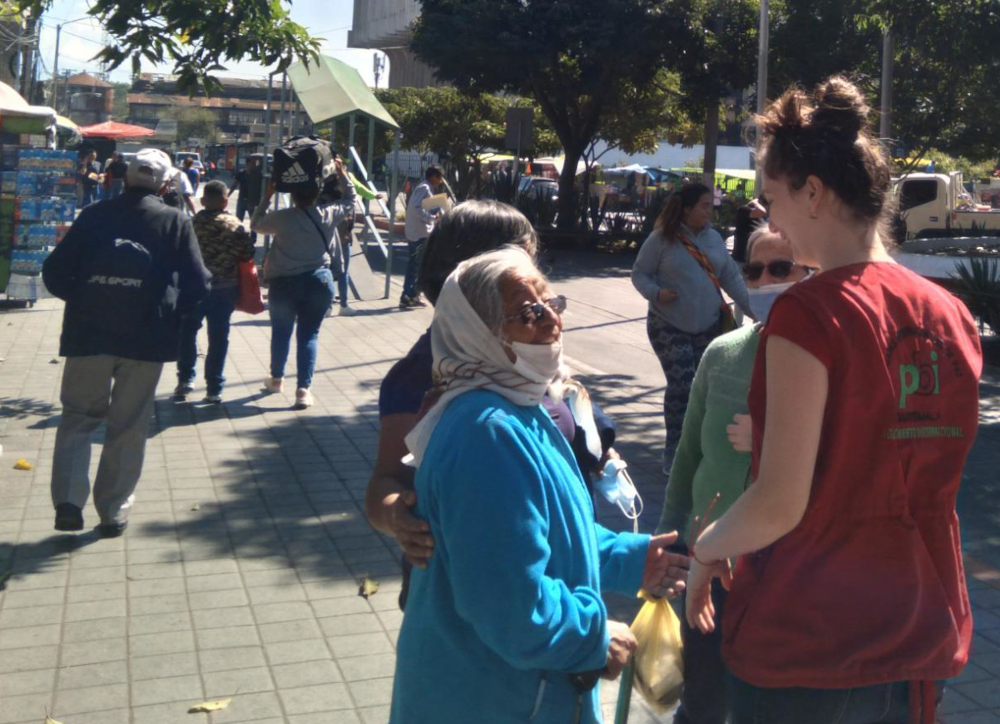
“It’s difficult to summarize the struggle across of all these years. But something that is decisive and has been important, is that we have never let our guard down and this struggle could not have gone on for so long, more than 40 years, if it had not been for the support of PBI. It has been 42 years of constant struggle to vindicate the rights, not only for us, but for many relatives of disappeared people, in all fields, in all strata, across society. And I believe that if we had not been accompanied by PBI and their communication of this reality, we would no longer be telling the story.
There are so many things we have experienced and unpleasant memories… but the most important part has been that in May 2022, our case began. The accompaniment has been very significant because the vulnerability that we have experienced and felt before the authorities and the organs of justice is a reality. The justice institutions have been rude, shameless and disrespectful in their treatment of us and this has always been the case. But we do not feel alone because of the accompaniment, and this is what is valuable. The situation is still difficult, but it is becoming a little more balanced, both for us and for other people and communities who are experiencing violations of their rights and dignity. For us, the family, the mere fact of having initiated the judicial process in my sister’s case, of having heard the evidence, of having listened to the judges’ decisions, has been very gratifying.
Mirtala Hérnandez Agustín, Luz Leticia’s sister
PBI’s support is inclusive, because PBI does not take any action, it only accompanies and thus allows us to exercise our rights; that is what is important. We are infinitely grateful to PBI, knowing that you are here and that we’re not alone.”
Due to the co-optation of the justice system in recent years, these two judicial processes now seem to have become stuck, as several hearings have already been suspended and several of the accused in the DM case have had their coercive measures reduced to house arrest. Despite these obstacles, the family members are not giving up their struggle for justice, as they believe that one of the main steps has already been taken: the opening of the proceedings and the indictment of the military and police identified as being implicated in the events.
PBI will continue to accompany the defenders in their peaceful struggles against impunity, for the defense of human rights and for their right to land and territory. We will be at their side, listening to their stories with the deep admiration we feel for their courage and perseverance, and we will walk alongside them in the construction of a peaceful country where social justice prevails.
The facts recounted in this article were extracted from PBI bulletins, magazines and other publications from 1989 to 1999. These are kept in the archives of the Centro de Investigaciones Regionales de Mesoamérica (CIRMA), located in Antigua Guatemala.
1We made a selection of the most named organizations in the publications reviewed for the elaboration of this article.
2In July 2023 the CC granted house arrest to the four convicted military officers. España, D., Caso Molina Theissen: dan arresto domiciliario a militares en giro de eventos, La Hora, 09.06.2023.